

Types of Mesothelioma - When people refer to various types of mesothelioma, they usually talk about different places in the body where mesothelioma develops. But things can be a little confusing because there are various types of mesothelioma cells that may appear in each location as well.
These factors affect your prognosis. Your oncologist considers them when making your treatment plan.

Key Facts about Types of Mesothelioma
- Mesothelioma is most likely to develop in the lining around the lungs or stomach
- The most common cell type, epithelioid, is also the most responsive to treatment
- Treatment is tailored to your specific mesothelioma type, to the microscopic cells that make up cancer
- Clinical trials can recruit participants based on their type of mesothelioma
The treatment plan that your doctor recommends will depend largely on the location of your cancer. Your cell type, age, health level and overall cancer will play a role.
There are five known types of mesothelioma. The four listed below are malignant cancers, and benign mesothelioma is a non-cancerous condition.
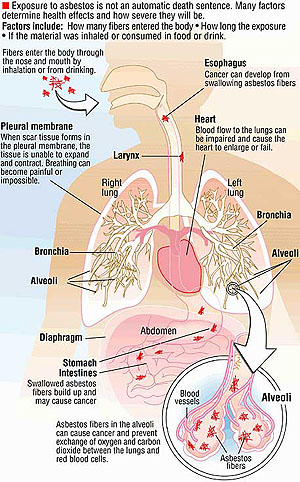
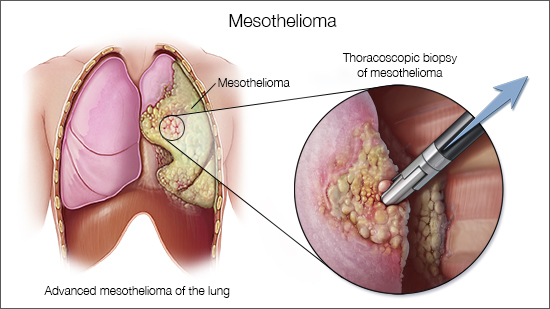
Pleural Mesothelioma: This type of mesothelioma develops in the lining of the lungs, known as the pleura. It is the most common form of malignant mesothelioma, with around 75 percent of cases being pleural in origin.
Peritoneal Mesothelioma: Comprising approximately 20 percent of mesothelioma cases, this form of mesothelioma develops in the lining of the abdominal cavity, known as the peritoneal membrane.
Pericardial Mesothelioma: This form of mesothelioma develops in the lining of the heart, known as the pericardium. Approximately 5 percent of all mesothelioma cases are pericardial.
Testicular Mesothelioma: Testicular mesothelioma develops in the tunica vaginalis of the testicles and is the rarest form of the cancer.
Four Types of Mesothelioma Identified by Location
The type of mesothelioma that you diagnose is named according to the place it developed. For example, when cancer forms in the pleural layer around the lungs, it is called pleural mesothelioma.- Pleural: Lung layer
- Peritoneal: Overlying the stomach
- Pericardial: Heart sac
- Testes: Testicular layer
But, events vary from year to year. A 2015 study looked at the incidence of mesothelioma from 2003 to 2008 and found that 85 percent of cases were pleural and 7 percent peritoneal.
Every type of mesothelioma causes different symptoms. Treatment is tailored to type, and the prognosis also varies.
Pleural Mesothelioma
- Location: Pleural layer
- Symptoms: Shortness of breath, chest pain, fever and fatigue
- Prognosis: 3+ years at stage 1 vs. 12 months at stage 4
Peritoneal Mesothelioma
- Location: stomach lining
- Symptoms: Abdominal pain and swelling, bloating and intestinal changes
- Prognosis: 52 percent live at least five years after surgery with HIPEC
Pericardial Mesothelioma
- Location: Lining of heart
- Symptoms: irregular heartbeat, chest pain, difficulty breathing and coughing
- Prognosis: Usually ranges from six weeks to 15 months
Testicular Mesothelioma
- Location: The shape in the tunica vaginalis, which is the layer that covers the testicles
- Symptoms: Scrotum swelling, painless testicular lumps
- Prognosis: 2 years
Three Types of Mesothelioma Cells
There are three types of cells that make up mesothelioma tumors:
- EPITEL
- SARCOMATOID
- BIPHASIC
Pericardial mesothelioma seems to have approximately the same distribution of the three cell types. About two-thirds of cases of testicular mesothelioma involve epitheloid cells. The rest of the testis is biphasic. Only one case of pure sarcomoid cells was reported in the testicular mesothelioma.
Certain subtypes of these cells correlate with various types of mesothelioma. As an example:
- Well-differentiated papillary cells occur most often in stomach mesothelioma. Only a few cases have been reported in people with other types of mesothelioma.
- Small cell mesothelioma is another type of cell that occurs more often in the stomach.
- A little more than half of mesothelioma desiduoid cases occur in the stomach. A little less than half appears in the lining of the lungs
- Cystic and papillary cells occur more frequently in mesothelioma peritoneum.
- Desmoplastic and lymphohistiocytoid is more common in pleural mesothelioma.
Treatment Adjusted to Your Mesothelioma Type.
The type of mesothelioma you diagnose will affect your treatment choices. Different treatments are used depending on the location of your cancer.Operation
Surgery to remove tumors is different for each type of mesothelioma. Extrapleural pneumonectomy and pleurectomy and decortication are used to remove pleural tumors. Peritoneal tumors are removed by peritonectomy. Pericardial tumors are removed by pericardiectomy. Testicular tumors are removed with inguinal orchiectomy.Chemotherapy drugs
Different chemotherapy drugs are used to treat peritoneal and pleural mesothelioma. Cisplatin and pemetrexed are the most effective treatments for pleural mesothelioma. The combination of gemcitabine, pemetrexed, mitomycin and carboplatin is most effective against peritoneal mesothelioma. There are no special chemotherapy regimens that are consistently effective for pericardial or testicular mesothelioma. The last two types of mesotheliomas are so rare that they are not yet available for research.Radiation therapy
A different approach to radiation therapy is used for all types of mesothelioma. In pleural mesothelioma, radiation therapy is used when surgery is an option or when the tumor has invaded the chest wall. Radiation therapy has not been proven successful or very safe for peritoneal mesothelioma. But it has been successfully used to treat pericardial and testicular mesothelioma.Palliative care
A different procedure is used to drain fluid buildup from around the lungs and stomach. The fluid around the lungs is dried with thoracentesis. Paracentesis is used to drain fluid from the stomach.Your cancer cell type affects treatment in ways that are less direct than its location. Instead, oncologists consider your cell type when deciding how aggressively they can treat your cancer.
Patients with epithelium mesothelioma are more often considered for aggressive treatment plans because their cell types respond best. Patients with sarcoma cells are often less considered for aggressive treatment.
Other factors, such as your cancer stage, your age and overall health, play a role where treatment is recommended. Surgery is recommended for early stage patients who are younger and in good health. Chemotherapy, radiation therapy and immunotherapy are available for every patient regardless of stage or age.
Mesothelioma - is a rare form of cancer that can arise in the mesothelial lining of the lungs, heart or abdomen. Some cases have even been reported to develop in the lining of the testicles as well. These four types of mesothelioma are called pleural mesothelioma (lung), pericardial mesothelioma (heart), peritoneal mesothelioma (abdomen) and testicular mesothelioma
Combined, these cancers affect 2,000 to 3,000 people in the United States each year. Receiving a diagnosis can be difficult due to the similarity of symptoms to other, more common conditions and doctors may overlook mesothelioma as a diagnosis. Another contributing factor that makes these cancers difficult to diagnose is the severe latency period of symptoms. From the time of someone's initial exposure to asbestos, the primary cause of mesothelioma, signs of development may take as long as 20 to 50 years to arise.
In an effort to help patients understand mesothelioma, Asbestos.com offers a complimentary packet that contains treatment options and other helpful resources tailored to your specific diagnosis. The packet also covers the nation's top mesothelioma doctors and cancer centers, as well as financial assistance options to help cover medical costs. To receive your packet in the mail, please enter your information below.
Mesothelioma is caused by exposure to asbestos and symptoms may not appear for as long as 20 to 40 years after exposure. Mesothelioma is a cancerous tumor of the mesothelium. The mesothelium is the tissue made up of specialized cells called mesothelial cells which line the chest cavity, abdominal cavity, and the cavity around the heart. These cells also cover the outer surface of most internal organs.
The mesothelium produces a special lubricating fluid that allows organs to move around within the body with less friction. For example, this fluid makes it easier for the lungs to move inside the chest during breathing.
The mesothelium of the chest is known as the pleura. The mesothelium of the abdomen is called the peritoneum. The mesothelium of the pericardial cavity, which is the space around the heart, is called the pericardium.
Mesothelioma is a cancer that attacks any of these mesothelial regions.
Mesothelioma is a rare and aggressive cancer. This is caused by asbestos and the shape of the protective tissue that covers the lungs, stomach and heart. Symptoms include coughing, chest pain and shortness of breath. The treatment combines surgery, radiation and chemotherapy improves survival and life expectancy.
The American Cancer Society records about 3,000 new cases of mesothelioma every year in the US
This is a disease that mostly affects people who work with asbestos and products containing asbestos.
Although there are treatments that control tumor growth, researchers have not found a definite cure for cancer.
Causes
Mesothelioma is a rare cancer caused by exposure to asbestos.Cancer develops when someone swallows asbestos, and that causes changes in one's DNA.
Our genes, which are made of DNA, control how cells grow, multiply and die. Changes to our genes can cause cells to divide out of control and can cause cancer
Mesothelioma development
- Someone inhales or swallows air asbestos fibers.
- Asbestos fibers become lodged in the lining of the lungs, stomach or heart.
- Embedded fibers damage mesothelial cells and cause inflammation.
- Over time, tumors begin to form in the damaged mesothelium, which is the lining of the stomach, lungs, heart and testes.
Symptoms
Common mesothelioma symptoms include:- Dry cough
- Hard to breathe
- Respiratory complications
- Pain in the chest or abdomen
- Fever or night sweats
- Pleural effusion (fluid around the lungs)
- Fatigue
- Muscle weakness
You should talk to a mesothelioma specialist immediately if you have a history of exposure to asbestos and experience these symptoms. Early diagnosis can improve your prognosis and life expectancy.
Who Are the Most at Risk for Mesothelioma?
Veteran
The use of asbestos in the military was widespread from 1940 to 1980. Veterans from all branches of the US armed forces were at risk of exposure. Navy veterans are most at risk. This branch uses the largest quantity of asbestos products.Work Exposure
More than 75 jobs have exposed workers to asbestos. Automatic mechanics, textile workers, steel factory workers, construction workers, and firefighters are among the most at risk.
Secondary Exposure
Asbestos workers unknowingly carry asbestos fibers on their bodies and clothes. This results in secondary asbestos exposure among residents such as women and children.Type of Mesothelioma
Oncologists call each type of mesothelioma based on the location in the body where it develops.Types of pleural mesothelioma and peritoneum are the most common. Pericardial accounts for 1 percent of cases. Another rare type is testicular mesothelioma. This represents less than 1 percent of all mesothelioma.
Prognosis, symptoms and treatment options vary by type.
Pleural Mesothelioma

- The most common type
- The shape of the soft tissue that covers the lungs
- It is best treated with a multimodal approach
Peritoneal Mesothelioma

- Less than 20 percent of all cases
- Develops in the lining around the stomach
- Respond well to a combination of heated surgery and chemotherapy
Pericardial Mesothelioma

- The second rarest type
- The shape of the soft tissue around the heart
- It is best treated with a multimodal approach
Testicular Mesothelioma

- The rarest type
- Develop in the testicular layer
- Respond to the best operatio
Prognosis
Younger patients and women have a better mesothelioma prognosis than older men. People diagnosed with peritoneal mesothelioma also have a higher chance of survival.Patients who are eligible for multimodal therapy, which is a combination of two or more standard care treatments, have a better life expectancy and increased prognosis.
Patient mesothelioma cell types also play an important role in prognosis and life expectancy.
The three cell types include:
Epithelioid
These cells are the most responsive to treatment, which increases the prognosis and life expectancy. They consist of 50 percent diagnoses of mesothelioma.
Sarcomatoid
These cells are most unresponsive to treatment. Patients with this cell type have a worse prognosis and shorter life expectancy. These cells consist of 10 percent diagnosis.
Biphasic
Combination of epitheloid and sarcomatoid cells. This type is less responsive to treatment. But the prognosis and life expectancy depend on the ratio of the two cell types. This type accounts for 30-40 percent of diagnoses.
Four stages of mesothelioma
Stage 1

Stage 2

Stage 3

Stage 4

The Importance of Finding a Mesothelioma Specialist
Mesothelioma is a rare cancer. This only represents 0.3 percent of all cancer diagnoses. Most doctors and oncologists have never found it.A 2009 study published in the Journal of General Internal Medicine stated that cancer treatments "require technical knowledge and skills of special doctors such as medical oncologists, surgeons, and radiation oncologists."
Cancer doctors specifically assign:
- Purpose for treatment and prognosis
- Possible use of chemotherapy
- The first type of treatment
- Possible participation in clinical trials
Finding a mesothelioma specialist center with an experienced mesothelioma doctor is very important for survival.
Treatment options
Mesothelioma treatment helps patients live longer lives. But not every patient qualifies for every type of mesothelioma treatment.The most common treatments for mesothelioma include:
Operation
Offering the greatest opportunities for survival. Usually used for diagnosis, tumor removal or palliative care to reduce pain. Patients with strong health and limited cancer spread are good candidates.
Chemotherapy
More than 70 percent of patients undergo chemotherapy. This drug uses powerful drugs to shrink tumors and kill cancer cells.
More than 70 percent of patients undergo chemotherapy. This drug uses powerful drugs to shrink tumors and kill cancer cells.
Radiation therapy
Used to reduce pain from growing tumors. When combined with surgery and chemotherapy, it reduces the risk of local recurrence. Can be used at any stage of cancer.
Used to reduce pain from growing tumors. When combined with surgery and chemotherapy, it reduces the risk of local recurrence. Can be used at any stage of cancer.
Immunotherapy
This experimental treatment enhances the immune system to fight cancer. Mainly used in clinical trials.
This experimental treatment enhances the immune system to fight cancer. Mainly used in clinical trials.
Multimodal Therapy
Combination of two or more treatments. Clinical studies show this approach increases survival rates
HIPEC
Multimodal treatment for mesothelioma peritoneum patients. Surgery is first used to remove as many tumors as possible. Heated chemotherapy is then applied to the abdominal cavity to destroy the remaining cancer cells.
Palliative care
Can include surgery, radiation, chemotherapy or HIPEC. The goal is not curative care. Instead, the goal is to reduce pain and improve quality of life. Good for any mesothelioma patient.
Clinical Testing and Emerging Care
Clinical trials offer mesothelioma patients access to experimental therapy. They also provide scientific and medical information for research to develop new treatments. Patients in clinical trials also received very good medical care.Alternative Care
Herbal medicines, mind-body therapy, holistic healing and other complementary therapies can benefit patients.Mesothelioma demands and financial assistance
Why Should You File?
Many companies that produce, distribute or use asbestos products know it's deadly. But they forgot to warn their employees. Filing a lawsuit can help mesothelioma patients cover lost wages, medical expenses and other fees.Who Can Submit a Claim?
A person with mesothelioma can file a personal injury suit. The Mesothelioma lawyers submitted this to the companies responsible for their clients' asbestos exposure. Families can file a false death claim when a loved one dies of mesothelioma.How do I submit a lawsuit?
Qualified mesothelioma lawyers can help you decide when to file a lawsuit. They can also guide you through the process. Time is of the essence because the limitation law can end. A mesothelioma lawyer will review your case so that you receive the highest compensation.Other types of financial assistance
VA claimMilitary veterans can submit claims related to asbestos through the US Department of Veterans Affairs.
Medicare and Medicaid
Government assistance for older patients or those with limited income.
Worker Compensation
Financial assistance may be available to people exposed to asbestos in the workplace.
Mesothelioma support
Support is available for mesothelioma patients, survivors and loved ones in various forms.
Mesothelioma Support Group
Offer to patients and survivors a safe place to share experiences.
Offer to patients and survivors a safe place to share experiences.
Grief Support
Counseling sessions and sadness support groups can bring peace of mind. They can also provide coping skills needed to grieve for the loss of a loved one.
Counseling sessions and sadness support groups can bring peace of mind. They can also provide coping skills needed to grieve for the loss of a loved one.
Medical support
The medical team complete with mesothelioma specialists, nutritionists, patient advocates and others can improve the prognosis.
The Mesothelioma Center's monthly online support group meets every second Wednesday. A licensed mental health consultant, Dana Nolan, runs a support group. Patients and survivors can share their experiences with others in a similar cancer journey.
Mesothelioma Surgery - Surgical treatments for mesothelioma include three main types - diagnostic surgery, curative surgery, and palliative surgery. Some types of operations fall into more than one category.
For example, thoracentesis can be used as a diagnostic procedure, and as a palliative treatment to reduce symptoms. Only curative surgery has the potential to eliminate all cancers from a patient with mesothelioma.
However, for curative surgery to be effective, it is very important that mesothelioma is diagnosed as early as possible. Unfortunately, mesothelioma is usually not diagnosed until it reaches Stage III or IV, when surgery is not an option.

Surgery for mesothelioma can include pleurectomy / decortication (P / D) and extrapleural pneumonectomy (EPP). P / D removes all diseased tissue around the lungs, while EPP also lifts the lungs. Patients must be in strong health with limited cancer spread to benefit from major surgery.
For example, thoracentesis can be used as a diagnostic procedure, and as a palliative treatment to reduce symptoms. Only curative surgery has the potential to eliminate all cancers from a patient with mesothelioma.
However, for curative surgery to be effective, it is very important that mesothelioma is diagnosed as early as possible. Unfortunately, mesothelioma is usually not diagnosed until it reaches Stage III or IV, when surgery is not an option.
Large surgery offers the greatest opportunity for long-term survival with mesothelioma. If an experienced surgeon can remove all the visible signs of cancer before spreading far away, you can live for years after surgery.
Before discussing surgery as an option, your doctor will want to make sure your body is strong enough to undergo the main procedure and recover from it. They will determine the health of your lungs and heart by performing a pulmonary function test and performing a heart test. These tests may include an electrocardiogram (ECG), stress test, echocardiogram or coronary angiogram.
If your overall health is strong enough to withstand potential complications from surgery, and your mesothelioma hasn't spread too far, your doctor will approve you as a candidate for surgery. There are risks involved in the operation, but the potential benefits are huge. Many of those who survived on Wall of Hope chose an operation that gave them longer time to spend with their children and grandchildren.


Three Objectives Are Different from Mesothelioma Surgery
Surgery for mesothelioma patients is generally divided into three categories: Diagnostics, tumor removal and palliation. Sometimes when major surgery is not an option, patients can still benefit from less invasive procedures. Choosing what type of mesothelioma surgery is up to you and the specialist who oversees your care.Statistics support surgery as the best first-line treatment option for living longer with this disease. When it comes to each individual case, sometimes the choice is clear, and sometimes the patient's condition makes it difficult to balance risks and rewards.
A mesothelioma specialist can do a thorough assessment and explain what procedure makes the most sense for your situation. They will consider several factors, including the stage of cancer and your overall health.
Diagnostic
The medical team usually cannot make a definitive cancer diagnosis without performing a small operation called a biopsy. This procedure extracts a sample of cancer cells for examination.Tumor removal
When carried out as part of multimodal therapy, major surgery to remove the tumor can prolong life expectancy and potentially send mesothelioma into remission.Palliative
Palliative surgery is a less invasive alternative to tumor removal surgery. It aims to improve the quality of life by reducing pain and other symptoms of cancer.If you qualify for surgery, you may also be able to join clinical trials of experimental treatments. Mesothelioma surgeons can offer their patients the opportunity to participate in clinical trials to investigate the best therapies to be combined with surgery. This study slowly increases the survival rate of mesothelioma.
Pleural Mesothelioma Surgery
Surgical treatment for pleural mesothelioma has improved since its inception in the 1970s. But this cancer scarcity means that most patients still need to travel to a special cancer center to see mesothelioma specialists.Diagnosing Mesothelioma Pleural and Relief Symptoms
The main diagnostic procedure for pleural mesothelioma is thoracoscopy. Two major palliative procedures, thoracentesis and pleurodesis, can also be used for diagnosis.Thoracoscopy
A thoracoscopy is also called video-assisted thoracoscopic surgery (VATS). This procedure involves inserting a special camera and a long and thin probe through a small incision in the chest. These tools allow the doctor to take a biopsy sample from the tissue around the lungs without having to open the entire chest cavity.
Thoracentesis
When fluid is formed between the two layers of the pleural layer surrounding the lungs, the doctor can drain it through a hollow needle. This procedure reduces pressure and makes it easier to breathe. Pleural fluid can then be tested for cancer cells as part of the diagnostic process.
Pleurodesis
This procedure drains a buildup of fluid, such as thoracocentesis. This then goes further by sealing the area to prevent the liquid from building again in the future. The doctor usually injects talc into the pleural cavity to seal it, although chemicals can be used in certain cases.
Removing Mesothelioma Pleural Tumors
Doctors mainly use two different tumor removal surgeries for pleural mesothelioma: Extrapleural pneumonectomy (EPP) and pleurectomy / decortication (P / D). About 15 to 20 percent of people with pleural mesothelioma qualify for tumor removal surgery."Thoracotomy" is a general term for surgery that allows the doctor to access the lungs, heart, aorta, trachea or diaphragm of the patient. This involves making an incision 4-10 inches long on both sides of the chest. Extensive procedures, such as EPP and P / D, require thoracotomy. Thoracotomy is also the first step in several asbestos-related lung cancer surgeries. This surgery includes pneumonectomy, lobectomy, wedge resection and segmentectomy.
Unfortunately, up to 25 percent of mesothelioma patients undergoing surgery are found to be inoperable after a thoracotomy. Doctors are trying to predict this with the latest advances in imaging technology and other diagnostic techniques, but surgeons cannot determine whether planned tumor removal surgery is truly possible until they look into the patient.
In cases where cancer has spread too far for surgery to help, the surgeon will determine the stage of the cancer. This can guide all patient care plans. If the cancer is localized, however, the surgeon will proceed with removal of the tumor.
Pneumonectomy
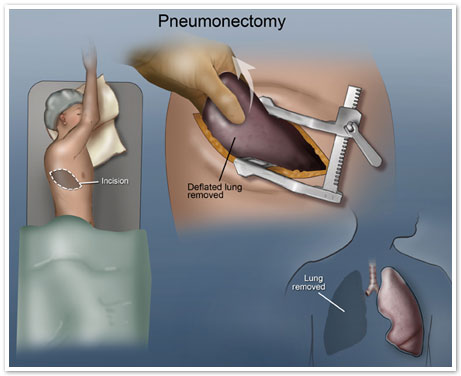
This procedure involves removal of the lungs. A patient can qualify for this surgery if the cancer has not spread outside one lung. Most mesothelioma surgeons perform wider EPP surgery than only pneumonectomy.Extrapleural Pneumonectomy (EPP)
This aggressive operation removes the entire lungs, the surrounding layers, nearby lymph nodes and the pericardium and diaphragm. Theoretically, it offers the best opportunity to eliminate all cancer cells, but also permanently reduce the patient's stamina.Pleurectomy / decortication (P / D)
This procedure was developed as a less aggressive alternative to lifting the lungs. The surgeon removes the pleural layer around the lungs and all visible tumors. They erode the lungs that hurt rather than throw them away.The average hospital stay after thoracotomy is five to 10 days. This surgery irritates the nerve endings near the incision, so you may experience pain, numbness or burning under the breast and in front of your rib cage.
Drainage of clear or pink fluid from the incision is normal. You should clean your incisions in the bathroom, wash them gently with warm water and mild soap. Avoid wetting the incision in the bathtub or spa for three weeks. Avoid heavy lifting and other heavy activities for eight weeks. They can emphasize your incisions and delay recovery. You can do breathing exercises and walk every day to increase the strength, circulation and capacity of your lungs.
Robotic Surgery for Pleural Mesothelioma
Robot surgery is the latest way for thoracic surgeons to perform cancer surgery. After technology proved its effectiveness for minimally invasive procedures, doctors began using it for chest cancer surgery in 2006. In 2013, Dr. Farid Gharagozloo performed the first major robotic surgery for pleural mesothelioma patients. He used the technique to perform an extrapleural pneumonectomy.Gharagozloo is currently practicing at Florida Hospital Celebration Health. He said the da Vinci Surgical System that he used would change the future of mesothelioma treatment. Using a computer board, the surgeon can guide small instruments attached to the robot arm, allowing more precise movement. This also allows for greater magnification and better maneuverability during operation.
Robotic surgery also significantly reduces blood loss. This shortens recovery time postoperatively and decreases stress on the lungs remaining after EPP. This stress is often a big problem when operations are carried out conventionally.
Peritoneal Mesothelioma Surgery
Peritoneal mesothelioma accounts for less than a quarter of all mesothelioma cases. This is an unusual variant of cancer that is already rare. If not treated, it is also more aggressive than other types of mesothelioma. Not long ago that almost everyone diagnosed with peritoneal mesothelioma survived only six months on average.Today, however, peritoneal mesothelioma patients can benefit from one of the biggest modern advances in mesothelioma treatment: the HIPEC procedure. Nearly half of the peritoneal patients treated with a combination of special surgery and chemotherapy live beyond five years.
Diagnosing Peritoneal Mesothelioma and Relief Symptoms
A paracentesis is a minor surgical procedure that can serve diagnostic or palliative purposes. Cancer can cause fluid to accumulate in the peritoneal cavity, the space between two membranes that separates the abdominal organs from the abdominal wall. Doctors can drain fluid through a hollow needle to reduce pressure on nearby organs. Peritoneal fluid buildup is also known as ascites, and this procedure is sometimes called an abdominal tap or ascitic faucet.The doctor can check ascitic fluid to confirm the diagnosis of peritoneal mesothelioma. Ascites, also known as peritoneal effusion, often recurs with mesothelioma peritoneum. The procedure for repeated therapeutic paracentesis can be given as palliative care for patients with advanced stages of the disease.
Removing Peritoneal Mesothelioma Tumors
Nearly 40 percent of peritoneal mesothelioma patients are eligible for tumor removal surgery. The most effective treatment for this disease combines peritonectomy with the HIPEC procedure.Peritonectomy
In this procedure, the surgeon removes the diseased part of the peritoneal lining of the abdomen. Then they perform cytoreductive surgery to remove as much cancer growth as possible from the abdominal cavity. This is also called debulking surgery, and this may involve removal of the liver, pancreas, spleen, gallbladder, intestines and stomach.HIPEC treatment
Hyperthermic intraperitoneal chemotherapy (HIPEC) is given immediately after the debulking phase of peritonectomy. Mesothelioma specialists pump chemotherapy drugs directly into the abdominal cavity. They leave it there for up to two hours so that it can be absorbed by the remaining cancer cells.HIPEC has fewer side effects than oral or intravenous chemotherapy because the drug is not injected directly into the bloodstream. Targeting chemotherapy in this way allows doctors to use drugs that are far more powerful against cancer. Some chemotherapy used is absorbed into the bloodstream. But, this causes fewer side effects than intravenous chemotherapy.
Pericardial Mesothelioma Surgery
Pericardial mesothelioma patients may experience chest pain, dyspnea (shortness of breath) and coughing. These symptoms are due to a buildup of fluid in the lining of the heart. A pericardiocentesis can effectively eliminate fluid buildup to relieve these symptoms.Unfortunately, pericardial fluid rarely contains malignant cells when mesothelioma is present. This procedure is not effective for diagnosis.
Tumor removal surgery available for pericardial mesothelioma is pericardiectomy. This surgery removes as much cancer tissue from the heart layer as possible. Can relieve symptoms caused by pericarditis (pericardial inflammation) and pericardial effusion (fluid buildup in the pericardium). It is very important to treat this condition earlier, before they cause deadly complications.
A cardiac surgeon, also known as a cardiac surgeon, performs pericardiectomy. The patient must ask how many procedures the surgeon has performed to measure the level of experience of the doctor.
Certain hospitals do more operations than others. For example, a surgeon at the Cleveland Clinic followed Dr. Allan Klein, director of the Hospital Center for Diagnosis and Treatment of Pericardial Disease.
Meanwhile, Dr. Jae K. Oh, director of Cardiac Imaging and Pericardial Disease Clinic at the Mayo Clinic in Rochester, was instrumental in pericardial mesothelioma surgery performed there.
Side Effects of Mesothelioma Surgery
The most common side effects of mesothelioma surgery are pain, swelling or infection at the site of the incision. Every time a foreign object, such as a needle, knife or tube, is placed into the body, swelling and drainage usually occur. In fact, open drainage is recommended during the healing process.Mild swelling, drying and bruising on typical injured tissues. These side effects usually go away on their own within a few days or weeks.
Other side effects of surgery include:
Bloody
Most patients will experience minimal bleeding which does not pose a threat to overall health. The body will be able to regrow lost blood. During recovery, excessive stretching or damage to the incision area can cause bleeding. If bleeding becomes widespread, seek medical attention immediately.
Fatigue
Even after anesthesia is exhausted, the patient may still feel tired from the basic body pressure that occurs with an invasive procedure. This is especially true after major surgeries such as EPP or P / D. Fatigue can increase if the patient does not eat enough food or enough rest to restore the body's energy level.
Heart complications
Mesothelioma surgery performed in the chest cavity poses a risk of heart complications. The most common risks are atrial fibrillation or cardiac arrhythmias (irregular or abnormal heartbeat).
If there are excessive symptoms, you should contact your doctor. Excessive inflammation or foul-smelling drainage at the site of surgery may be a sign of infection. Other signs of infection include redness and a feeling of warmth or tingling. Postoperative infections must be controlled under doctor's care. It is very important to report the infection immediately to prevent it from becoming fatal.
Managing Pain After Surgery
Discomfort after mesothelioma surgery may be boring and tingling or more intense. For some patients, pain will occur when they stand, sit, walk or try to do daily activities. But for others, pain can occur even at rest.Your surgeon can help you develop a pain management plan to deal with the discomfort that you may experience after surgery. Before you leave the hospital, your doctor will prescribe oral pain medication.
OTC drugs can be recommended for mild pain relief. These include acetaminophen (Tylenol), ibuprofen (Advil) or naproxen (Aleve). OTC drugs should not be taken after surgery without specific instructions from your doctor.
Subscribe to:
Posts (Atom)


